About me
Hello! I am a Ph.D. Scholar in the Department of Computer Science and Engineering at National Institute of Technology (NIT) Durgapur, India. I completed my M.Tech. in Computer Science and Engineering from National Institute of Technology (NIT) Warangal.
My current work focuses on developing AI-driven accessible technologies and multimodal interaction systems that enhance independence and digital inclusion for people with visual impairments.
My research interests include assistive technologies, accessibility, human-computer interaction, computer vision, deep learning, and intelligent systems for visually impaired individuals.
Patents
- Lohar, D. (2025). Hand Gesture Based Assistive Keyboard for Visually Impaired People (VIP). Indian Patent Application No. 202531045158, Published on 09/05/2025.
Conference proceedings
- Lohar, D., Dutta, S., Basu, A., & Sen, B. (2025). Assessment of Cognitive Load during Hand Gesture Based Computer Interaction Using Galvanic Skin Response Attached to Foot. In 2025 IEEE 6th India Council International Subsections Conference (INDISCON), (pp. 1–6), Rourkela, India.
- Lohar, D., Sinha, M., Basu, A., Jadav, C., & Sen, B. (2023). Design of Effective HCI Mechanism with Hand Gesture for Visually Impaired People: A Game-Based Approach. In 2023 IEEE 11th Region 10 Humanitarian Technology Conference (R10-HTC), (pp. 962–967), Rajkot, India.
- Lohar, D., Panda, S. K., Padhi, S., & Nayak, S. K. (2022). An Efficient Sybil Attack Detection Approach for Vehicular Ad-Hoc Networks. In 2022 Seventh International Conference on Parallel, Distributed and Grid Computing (PDGC), (pp. 210–215), Solan, Himachal Pradesh, India.
Journal publications
- Lohar, D., Sen, B., Basu, A., & Ahmadpour, S.-S. (2026). GCI: Efficient Design of Gesture Based Human Computer Interaction Targeting Visually Impaired People. Computers , 15, 408. DOI: https://doi.org/10.3390/computers15070408
Teaching
Academic services
Research Areas
Human–Computer Interaction (HCI)
I work in the field of Human–Computer Interaction (HCI), focusing on the design and development of intuitive, accessible, and user-centered interaction techniques. My research explores natural interaction methods, particularly hand gesture-based interfaces, to improve the way users communicate with computer systems.
This research contributes toward developing intelligent and inclusive interaction technologies by combining gesture recognition, deep learning, and usability-driven design principles to enhance user experience across diverse application domains.
GSR-Based Cognitive Load Assessment
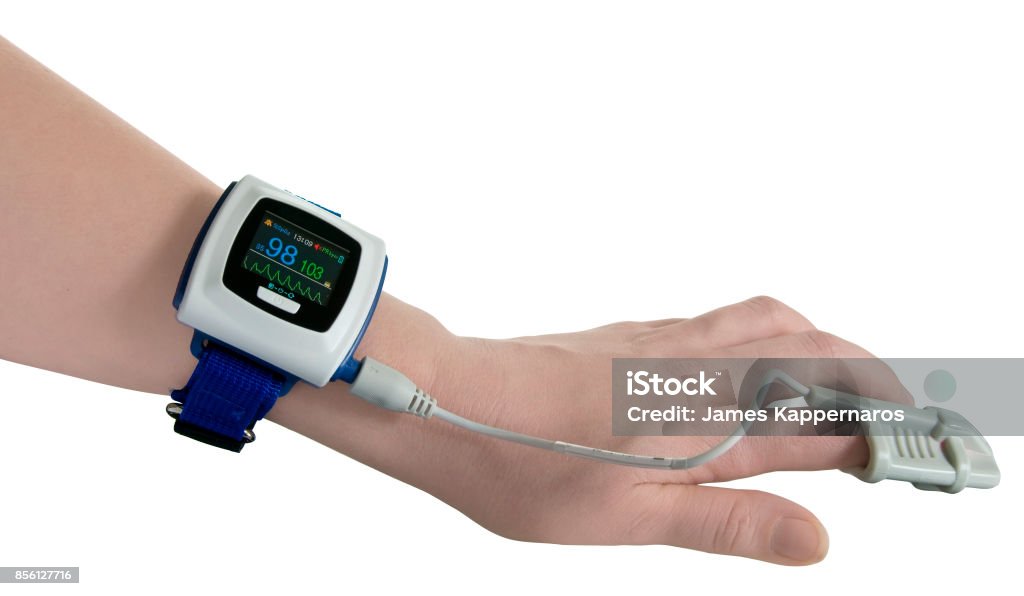
I have worked on Galvanic Skin Response (GSR)-based cognitive load estimation during gesture-based computer interaction. GSR signals help measure physiological responses associated with stress, cognitive effort, and emotional engagement.
This work contributes toward developing user-aware and adaptive interaction systems capable of dynamically understanding user behavior and improving interaction efficiency.
Static Hand Gesture Recognition

My work on static hand gesture recognition focuses on designing intuitive and accessible interaction systems using computer vision and deep learning techniques. These systems aim to provide alternative input mechanisms for visually impaired individuals and users with physical interaction limitations.
The developed frameworks explore robust gesture recognition under varying environmental conditions while ensuring usability and interaction efficiency.
Dynamic Hand Gesture Interaction
I have also explored dynamic hand gesture interaction systems involving temporal motion analysis, sequence modeling, and intelligent gesture interpretation for natural user interaction.
These systems are designed to enhance accessibility, contactless interaction, and intuitive communication between humans and machines.
Usability Studies & Human-Centered Evaluation
My research also includes usability studies and human-centered evaluation methodologies to assess accessibility, effectiveness, efficiency, and user satisfaction of intelligent systems.
The studies involve user interaction analysis, task performance evaluation, cognitive assessment, and accessibility-focused design validation for assistive technologies.
Qualitative Research & Interview Analysis

I have conducted qualitative studies and interview-based analysis involving visually impaired participants to better understand accessibility challenges, user expectations, and technology adoption behavior.
The analysis focuses on extracting meaningful insights regarding accessibility barriers, interaction preferences, and future assistive technology requirements.
EEG-Based Cognitive Analysis
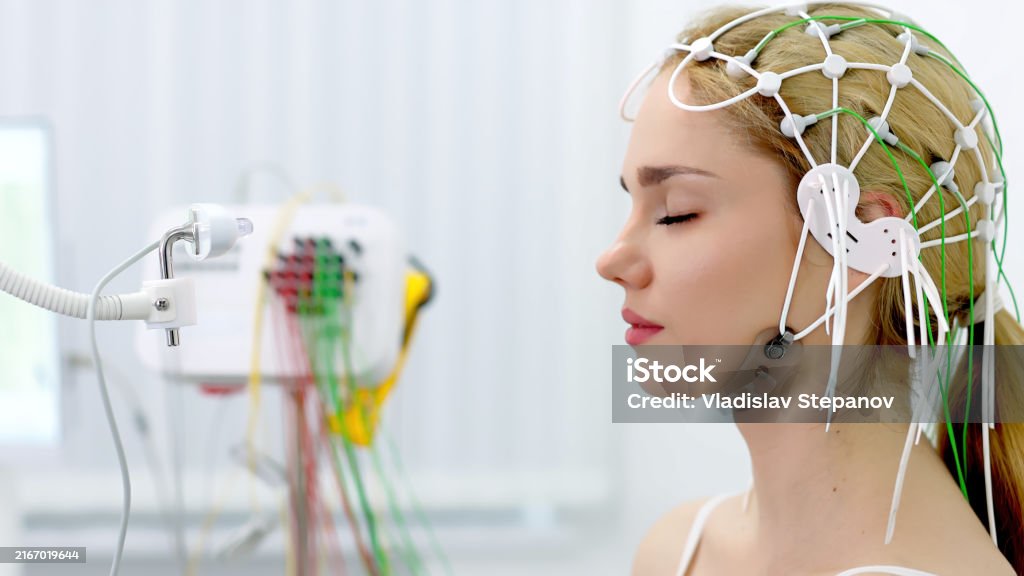
My research involving Electroencephalography (EEG) focuses on understanding cognitive workload, mental stress, user attention, and interaction behavior during computer-based tasks. EEG signals are utilized to analyze neural responses generated during multimodal interaction and assistive technology usage.
The work aims to develop adaptive and intelligent systems capable of improving accessibility, usability, and human-machine interaction through physiological signal analysis.
Future Research Directions
My future research aims to explore next-generation intelligent systems that integrate artificial intelligence, human-centered computing, secure communication infrastructures, and autonomous technologies. I am particularly interested in interdisciplinary research that combines accessibility, intelligent interaction, networking, and emerging computational paradigms.
Brain-Computer Interaction (BCI)
Exploring EEG-driven brain-computer interfaces for assistive communication, adaptive interaction systems, neurocognitive analysis, and intelligent accessibility solutions.
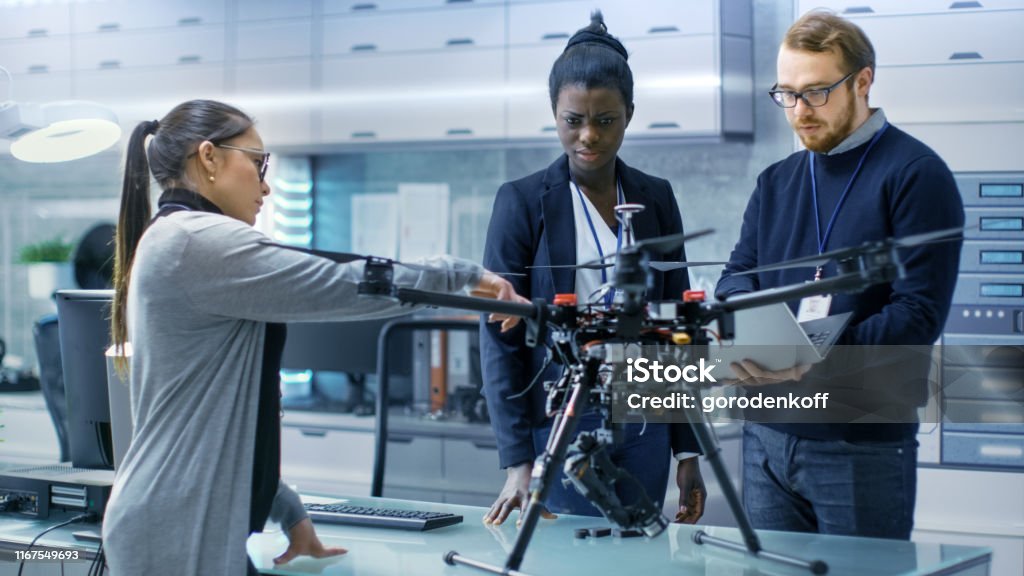
Autonomous Drones & Intelligent Systems
Design and development of intelligent drones for accessibility assistance, environmental monitoring, smart surveillance, disaster response, and autonomous navigation.
Vehicular Ad-Hoc Network (VANET) Security
Developing secure and intelligent communication mechanisms for future connected vehicles, smart transportation systems, and vehicle-as-a-computing-platform architectures.

6G Networks & Beyond
Investigating next-generation wireless communication systems, ultra-low latency networking, AI-integrated communication infrastructures, edge intelligence, and future Internet architectures.
Quantum Technology & Computing
Exploring the potential of quantum computing, quantum communication, and quantum-enhanced intelligent systems for solving complex computational problems, secure communication, optimization, and next-generation AI applications.
Datasets & Research Collaboration
As part of my research activities, I have developed and curated multiple datasets related to physiological signal analysis, gesture-based interaction, and assistive technologies. These datasets were collected through controlled experimental studies involving human participants and multimodal interaction environments.
Researchers, students, and collaborators interested in accessibility, human-computer interaction, physiological computing, gesture recognition, or intelligent interaction systems are welcome to connect for potential academic collaboration, dataset access, or joint research opportunities.
GSR-Based Cognitive Load Dataset
A physiological signal dataset containing Galvanic Skin Response (GSR) recordings collected from nearly 24 participants during gesture-based human-computer interaction tasks. The dataset focuses on cognitive load analysis, interaction behavior, and user response assessment.
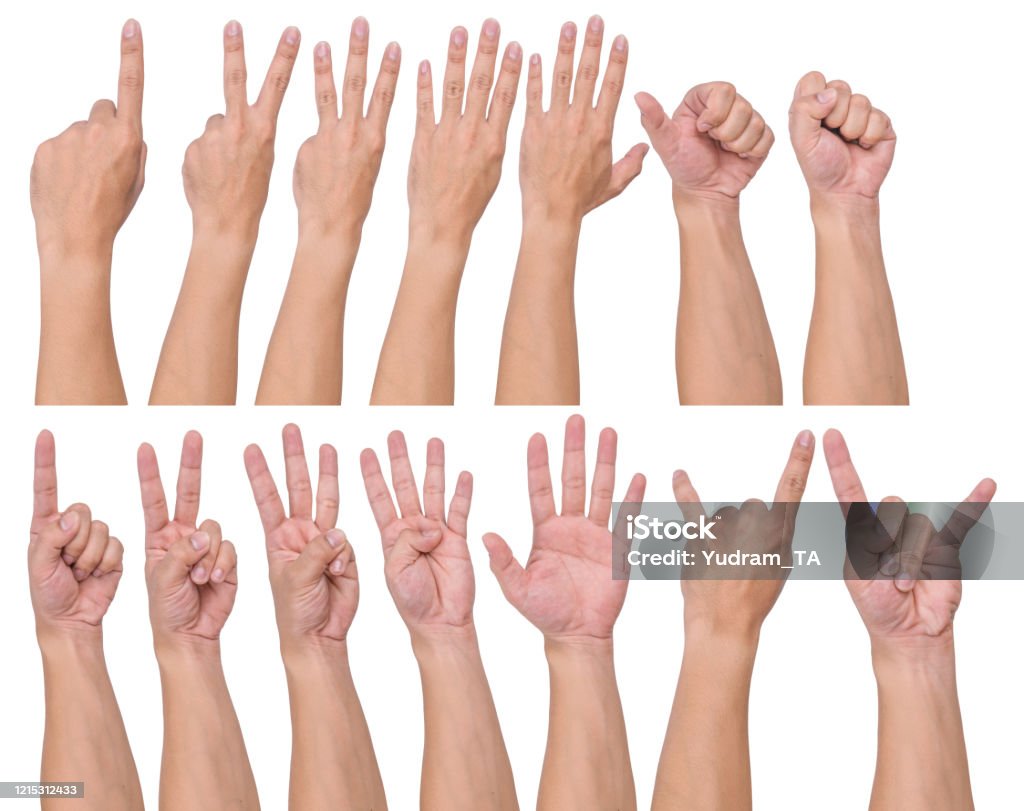
Static Hand Gesture Dataset
A static hand gesture dataset collected using the Leap Motion Controller from 20 participants. The dataset includes 14 distinct hand gestures with approximately 8,000 gesture images captured without data augmentation.
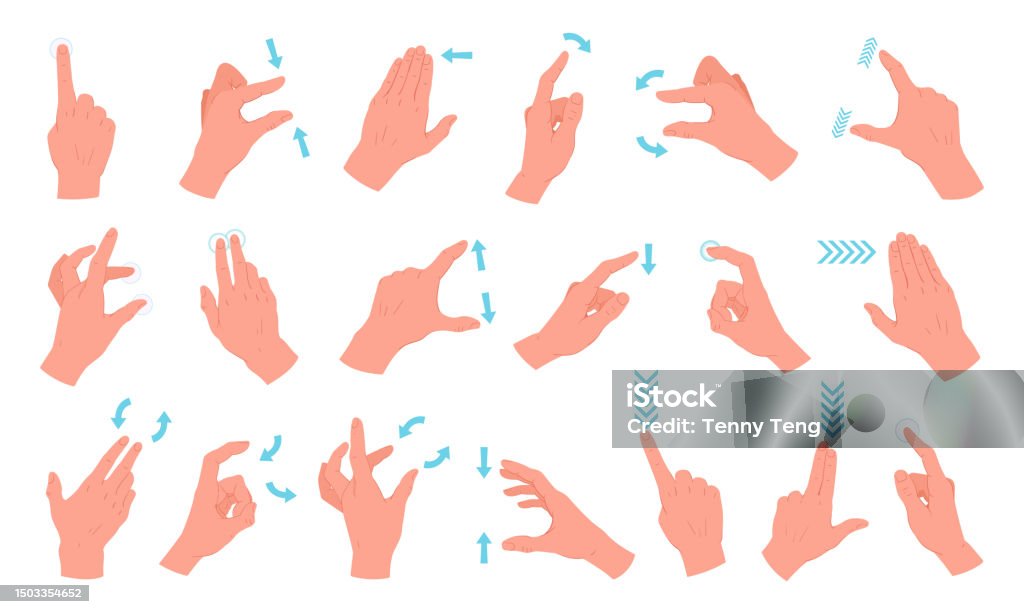
Dynamic Hand Gesture Dataset
A dynamic gesture interaction dataset containing 12 different dynamic hand gestures collected from 26 participants, comprising approximately 10,000 gesture samples for temporal interaction and sequence-based gesture recognition research.
Research Collaboration & Dataset Access
Researchers and students interested in utilizing these datasets for academic purposes, collaborative projects, accessibility research, or intelligent interaction studies may contact me for potential research collaboration and dataset access.
Contacts
Email: lohardurgesh22(at)gmail.com